COP 31

Future Professions Meetings Continue at Manisa Celal Bayar University Science Café

Future Careers Meetings Continue at Manisa Celal Bayar University Science Café
Organized within the scope of the Science Café events coordinated by the Science Communication Office of Manisa Celal Bayar University, the "Future Careers Meetings" brought prospective students and their families together with academics and industry representatives at Manisa Statü Çarşı during the 2026 YKS preference period.
The program, organized to provide guidance during the university preference process, featured up-to-date discussions on future careers, career planning, digital transformation, emerging industries, and the expectations of the business world. Participants had the opportunity to receive insights from experts on issues that may guide their career choices and future planning.
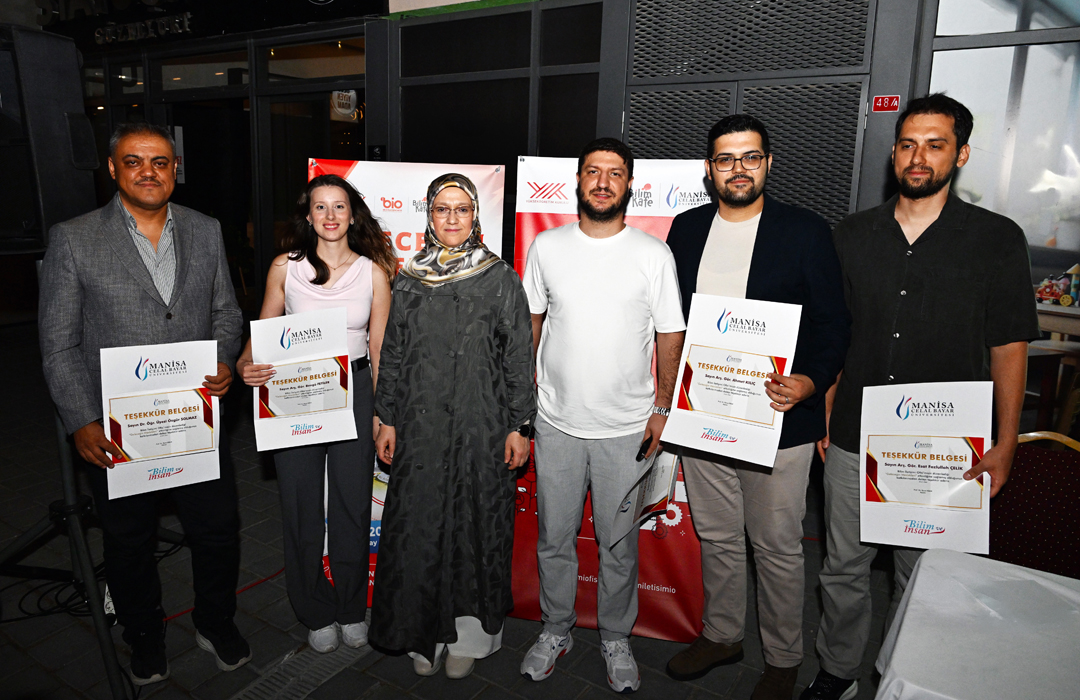
Moderated by Dr. Özgür Solmaz, Deputy Coordinator of the Employment and Career Coordination Office (İKA), the event included discussions on the importance of making informed choices in career planning, the competencies students should acquire throughout university life, and career opportunities after graduation. Current developments in artificial intelligence, machine learning, computer engineering, and software engineering, as well as the role of these fields among future careers, were also addressed. Throughout the session, Solmaz contributed to the interactive nature of the program by enriching the discussions through questions directed to the speakers.
Research Assistants Ahmet Kılıç and Bengü Fetiler from the Faculty of Computer and Information Sciences shared information on current developments in information technologies, future careers, and the academic opportunities offered to students.
Research Assistant Esat Fazlullah Çelik from the Department of Computer Engineering at the Faculty of Engineering and Natural Sciences discussed current technologies in computer engineering, artificial intelligence, software development, and digital transformation processes. Representing the industry, İsmet Kızgın from Novator Soft, a company operating within Manisa Technopark, shared his experiences regarding industry expectations, employment opportunities, and the skills required by today's business world.
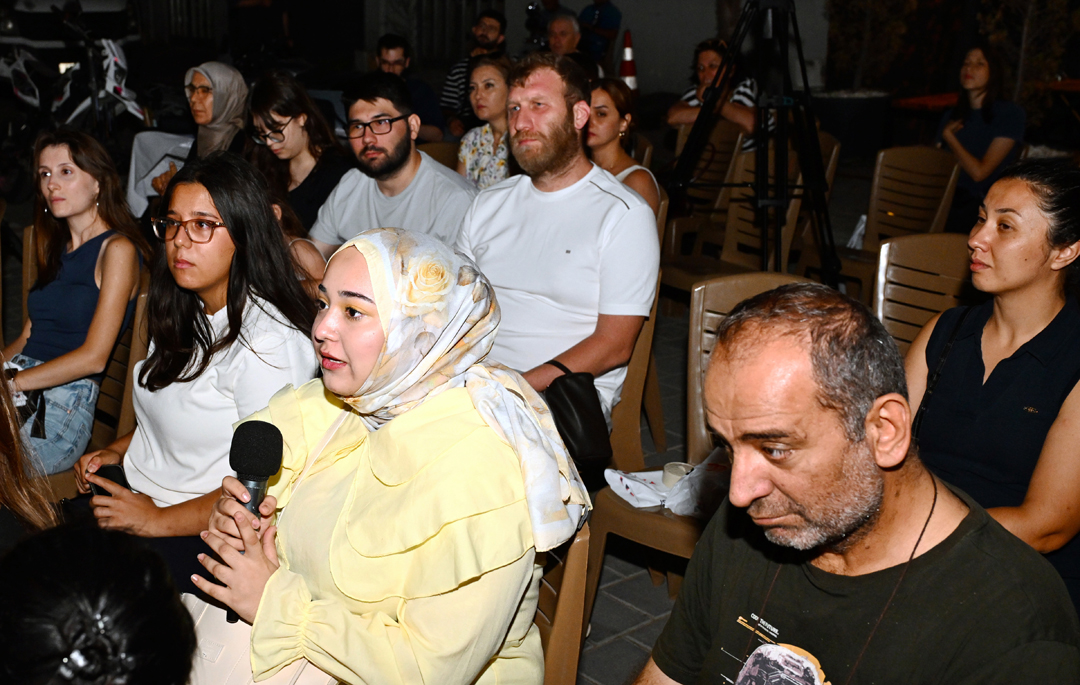
Throughout the program, prospective students and their families had the opportunity to ask questions to academics and industry representatives while gaining comprehensive information about Manisa Celal Bayar University’s strong academic infrastructure, practice-oriented education approach, industry collaborations, and career opportunities provided to students.
Speaking at the event, Rector Prof. Rana Kibar stated that the university preference period is one of the most important processes shaping the future of students and families, emphasizing that access to accurate information plays a crucial role in making informed decisions.
Rector Kibar said:
"As a university, our goal is not only to introduce our institution to prospective students and their families but also to provide them with comprehensive and accurate information they need throughout the preference process. Through events such as Science Café, we come together with prospective students and their families, aiming to support them in making informed and appropriate choices."
Highlighting that the world is undergoing a rapid digital transformation, Rector Kibar noted that developments, particularly in technology and information sciences, are also shaping higher education. Emphasizing that Manisa Celal Bayar University has a strong academic foundation in these fields, Kibar stated:
"With the departments within our Faculty of Computer and Information Sciences and the relevant programs offered at our vocational schools, we provide a broad range of educational opportunities."
Referring to the establishment process of Technology Faculties, Rector Kibar explained that when these faculties were first established, it was planned that graduates would not receive the title of engineer but would instead have a different professional status. She noted that, following regulatory changes over time, students began graduating with the title of engineer. Kibar added that a similar development could potentially occur for the Faculty of Computer and Information Sciences in the future.
Addressing the impact of artificial intelligence on working life, Rector Kibar also discussed the frequently asked question: "Will artificial intelligence take people's jobs away?" She stated:
"While some areas may experience contraction, new fields of work are also emerging. Today, new interdisciplinary areas such as artificial intelligence and history, and artificial intelligence and philosophy are developing. There is now almost no field untouched by artificial intelligence. Therefore, we should not view artificial intelligence as a factor that takes away people's jobs, but rather as an important tool that enables the development of these fields and the emergence of new areas of expertise."
Emphasizing that human-generated knowledge and data form the foundation of artificial intelligence, Kibar said:
"Ultimately, artificial intelligence is also powered by human contributions. Thanks to the data provided by people, artificial intelligence is making our lives easier today. As a university, we have always embraced the following principle: Technology should serve us; we should not serve technology. Therefore, we strive to educate our students as individuals who use technology for the benefit of humanity."
At the end of her speech, Rector Prof. Rana Kibar thanked the participating students and families and wished all candidates a successful and beneficial preference period.
Photo Gallery